INT Pairing Supplementary Numerical Diagnostics
This appendix collects numerical diagnostics supporting the microscopic test of equal-spin interorbital triplet pairing. These plots are retained to make the numerical claims reproducible, but they are not needed for the main logical flow of the results chapter.
Gap Matrix and Nonunitarity
In the internal basis ((a\uparrow,a\downarrow,b\uparrow,b\downarrow)), the imposed local INT gap is
The even-parity triplet state is allowed because the orbital part is antisymmetric:
The nonunitary diagnostic is
For the equal-spin convention used in the chapter, this is equivalent to an imbalance between the two equal-spin components. The spin-resolved spectra and condensate magnetisation figures below are diagnostics of this algebraic fact; they are not by themselves a free-energy selection proof.
SOC Projection Rule
The minimal toy model separates longitudinal from transverse spin-orbit texture. In the stripped-down helicity limit,
with projectors
Projecting the fixed INT matrix into a helicity sheet gives the nonzero singular value
Longitudinal SOC alone has (\lambda_x=0) and therefore gives no weak-pairing gap in this projected channel. Transverse spin-orbital texture repairs the projection by keeping the INT-connected partner state inside the Fermi subspace.
Bare-Channel Diagnostics
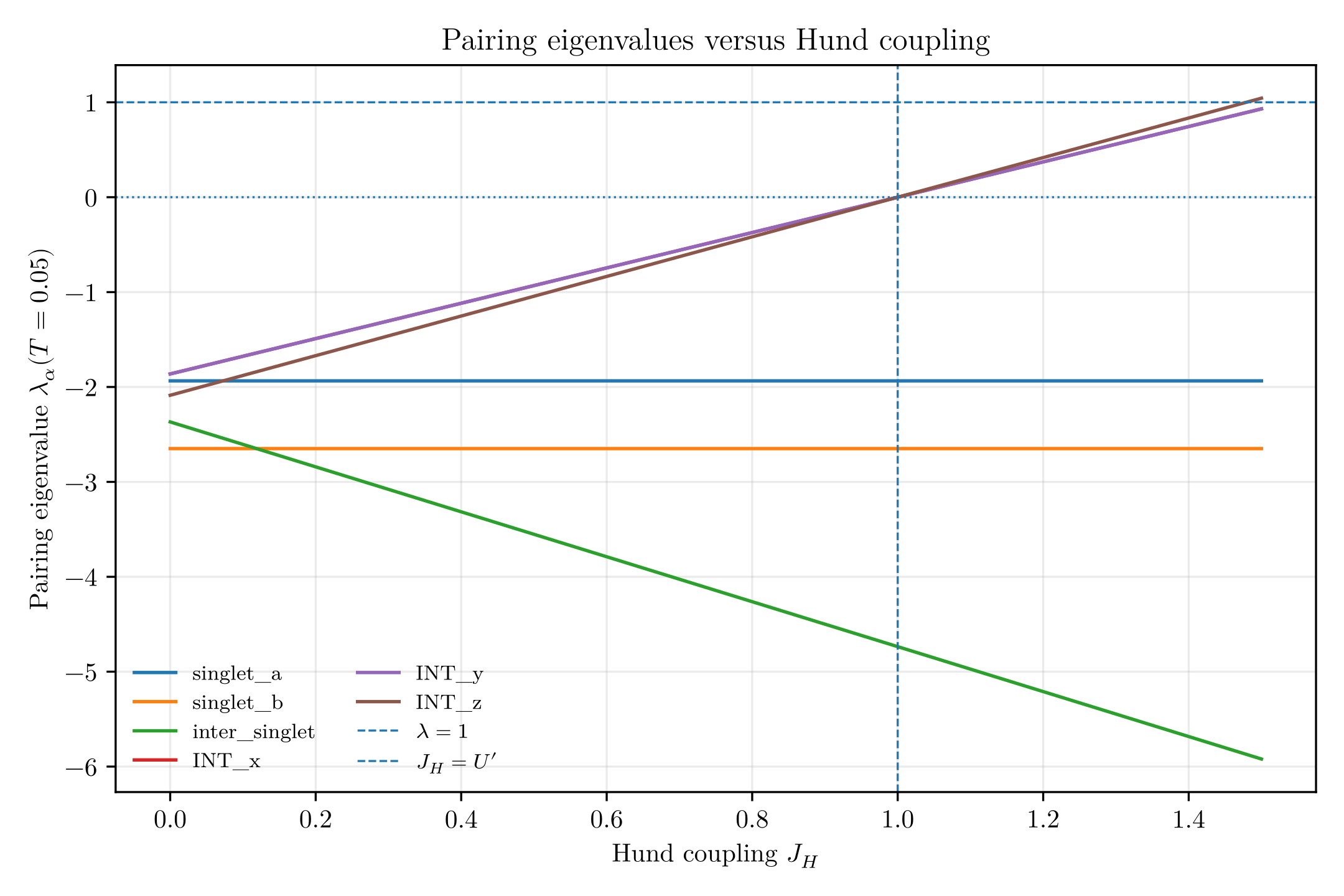
Figure D.1: Pairing eigenvalues at fixed temperature as a function of Hund exchange , using the bare local interaction. The vertical dashed line marks .
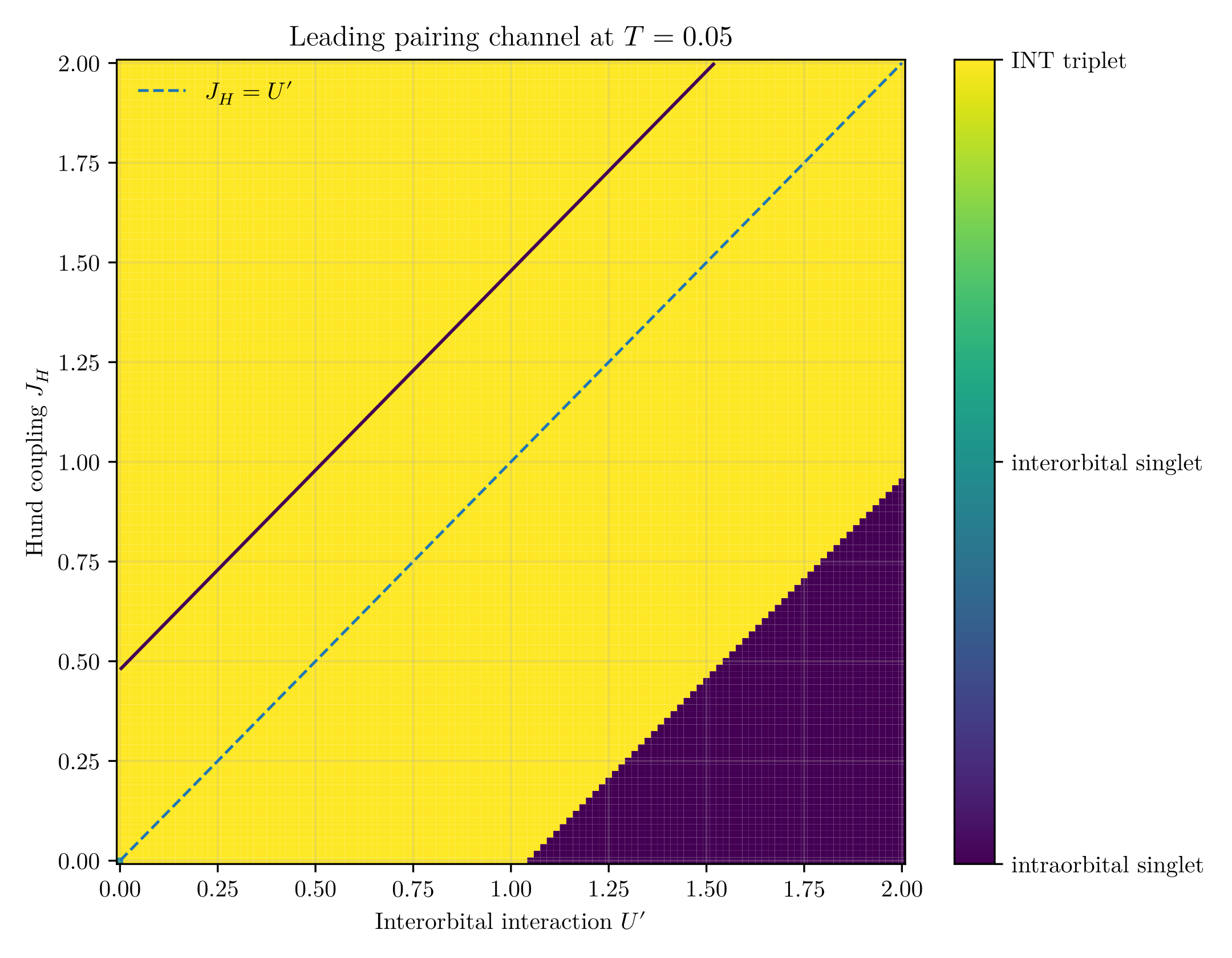
Figure D.2: Largest pairing eigenvalue channel at as a function of and . This leading-channel map identifies the channel with the largest eigenvalue, not necessarily a superconducting instability.
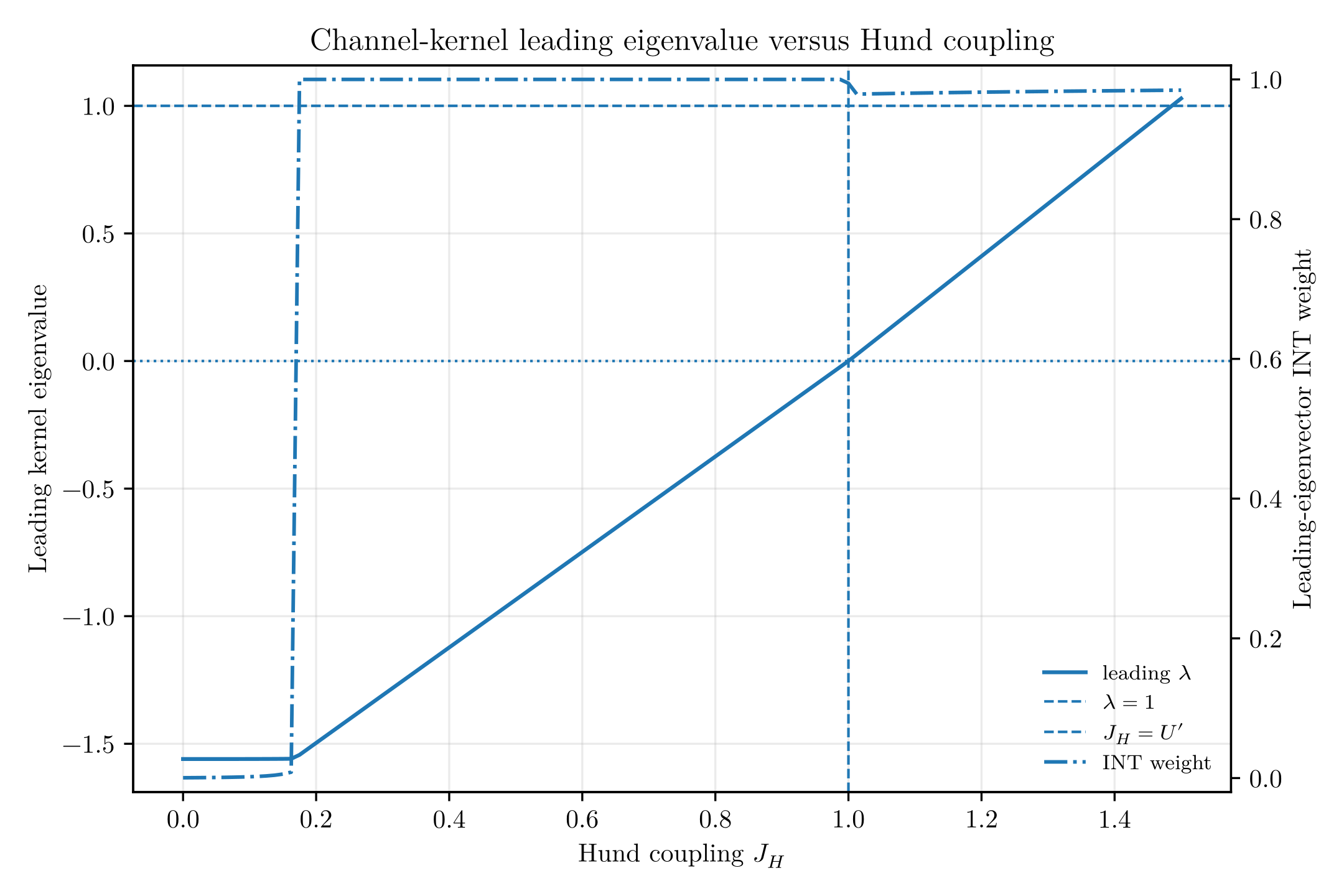
Figure D.3: Leading projected-kernel eigenvalue and INT weight as a function of Hund exchange in the bare local interaction.
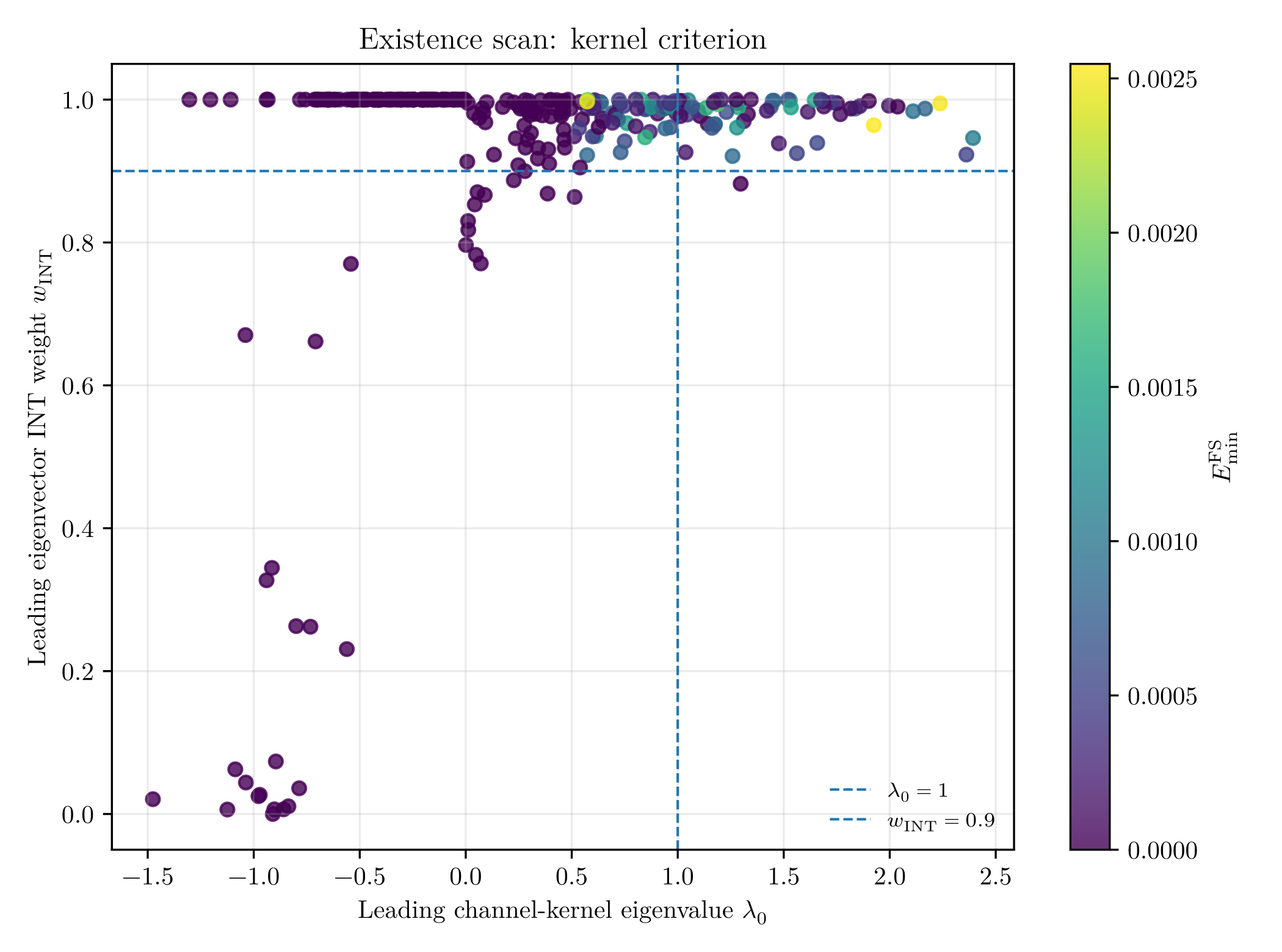
Figure D.4: Bare local-interaction existence scan showing the leading channel-kernel eigenvalue and INT weight when and are sampled independently.
Projection-Repair Maps
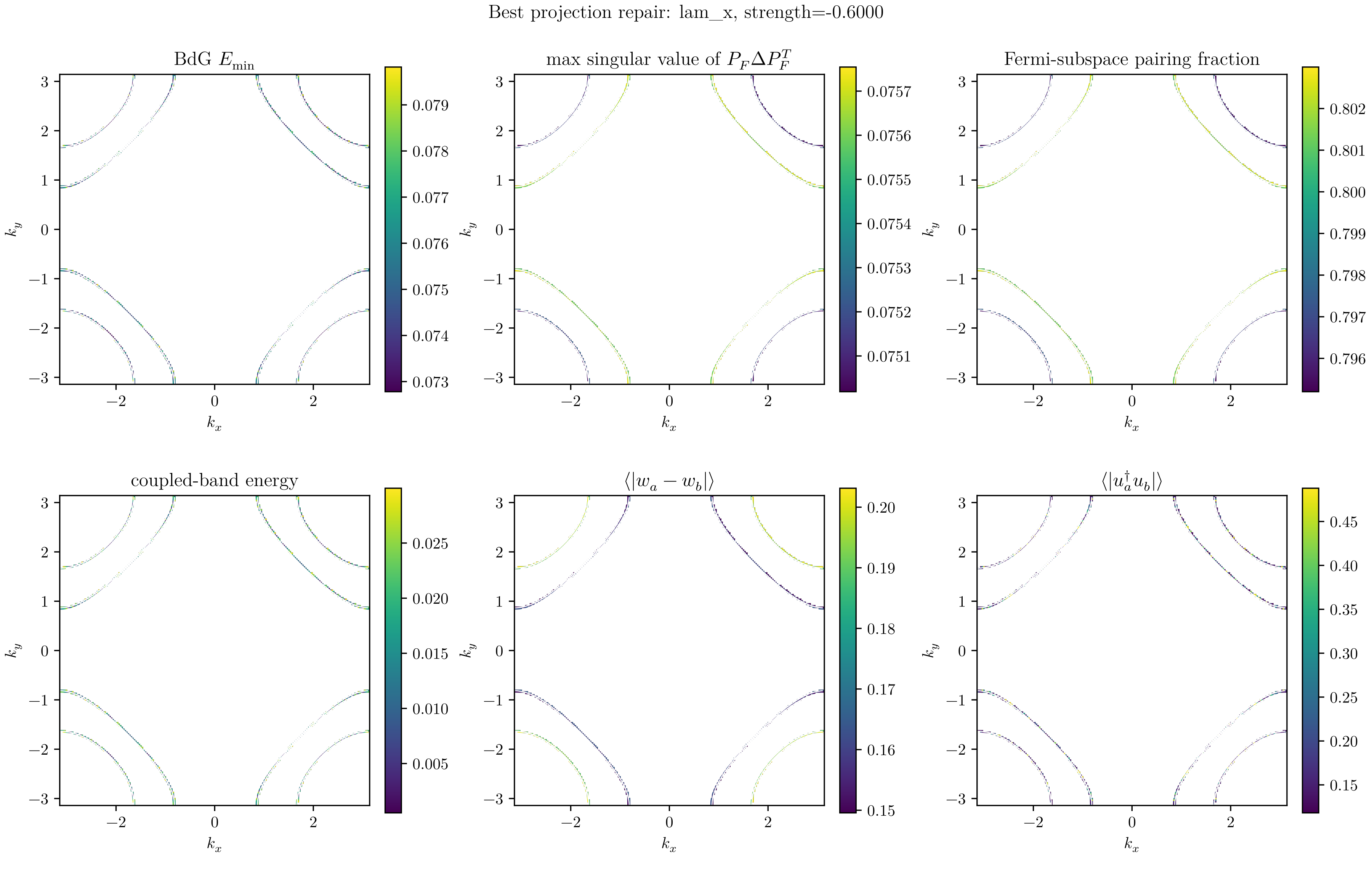
Figure D.5: Best projection-repair texture map. The best scanned repair is obtained for , which restores a large projected INT gap on the Fermi contour.
BdG Gap and Spectrum Diagnostics
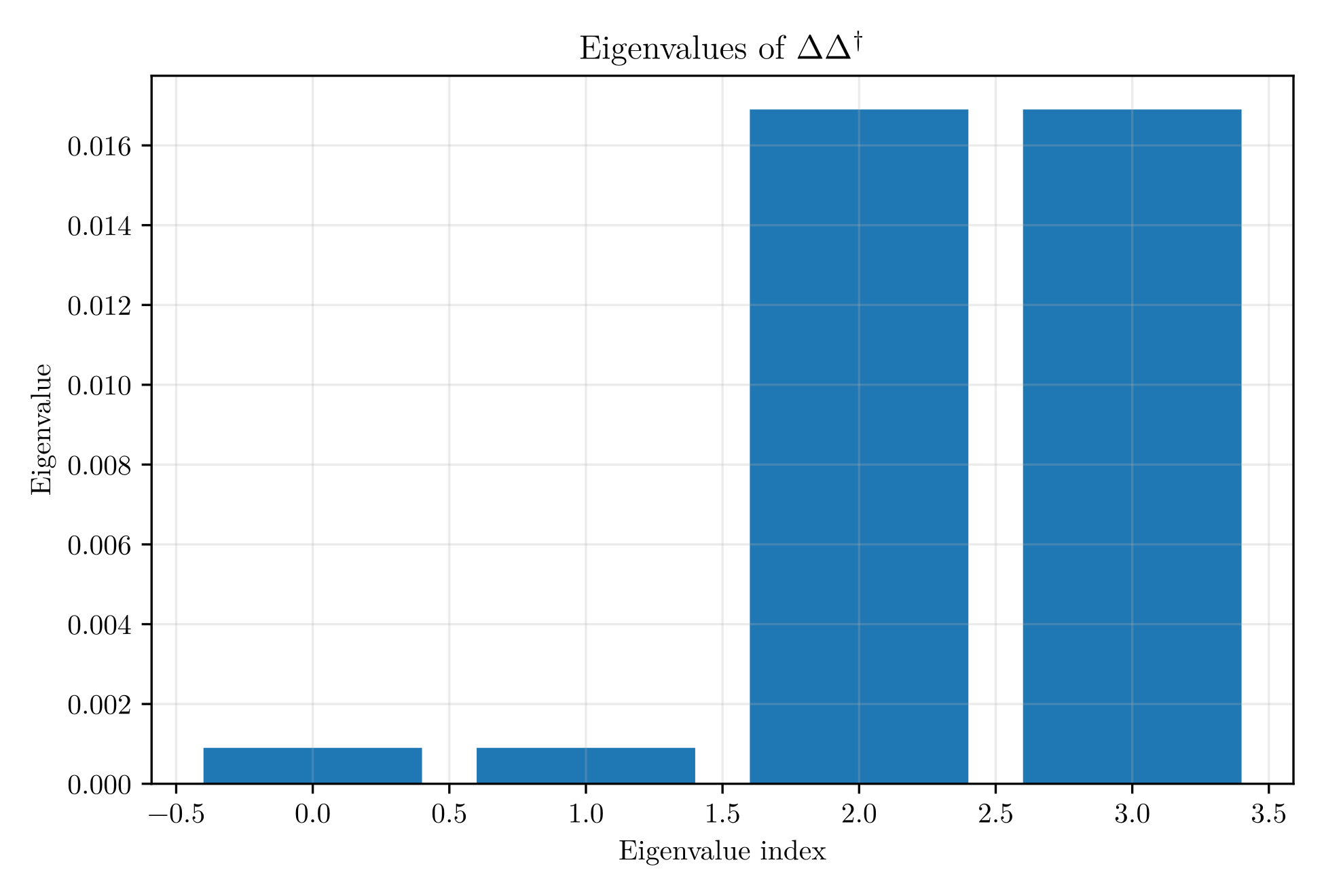
Figure D.6: Eigenvalues of for the representative nonunitary INT state with and . The split eigenvalues demonstrate that is not proportional to the identity.
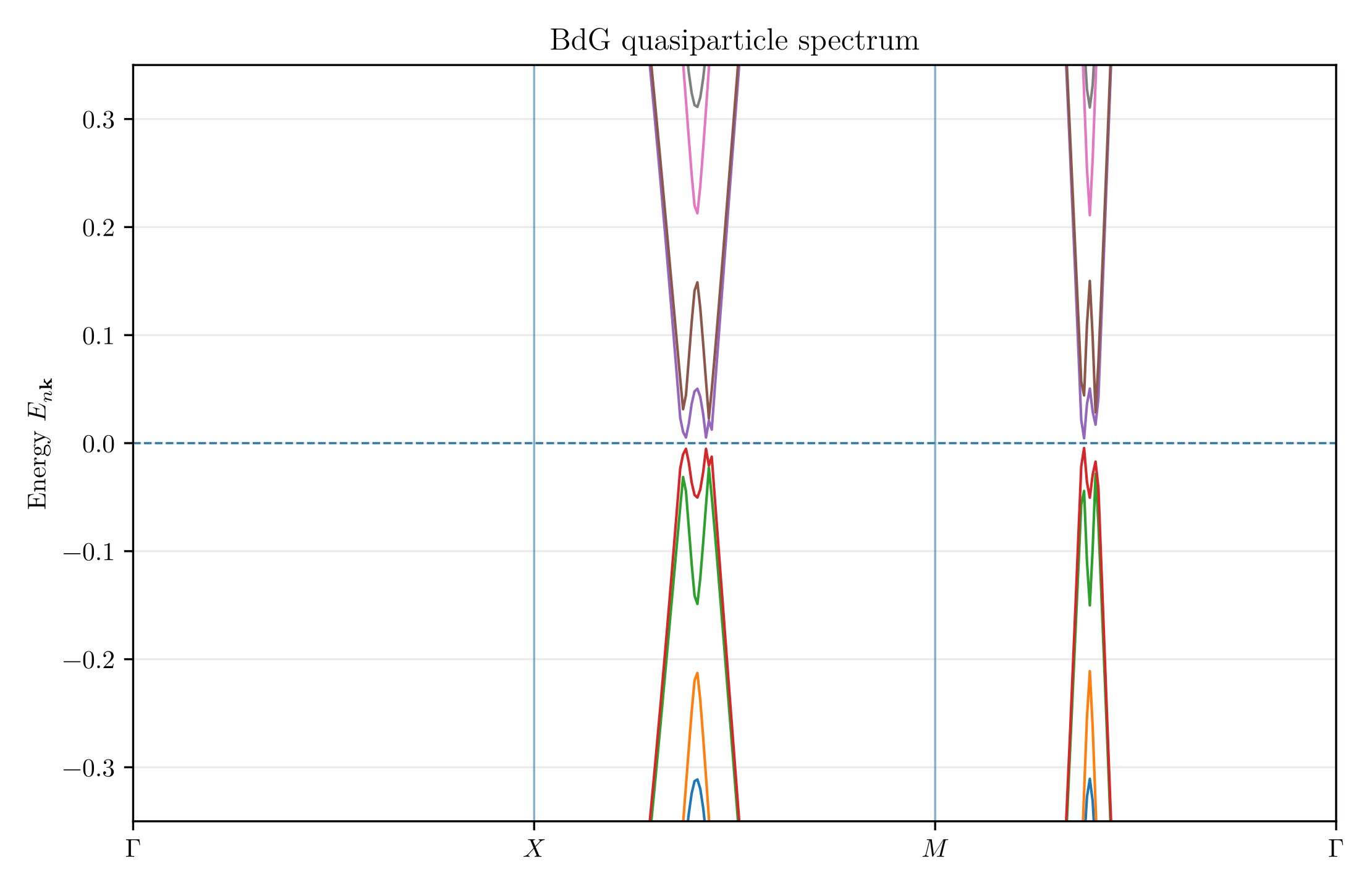
Figure D.7: BdG quasiparticle spectrum obtained by diagonalising along the path –––.
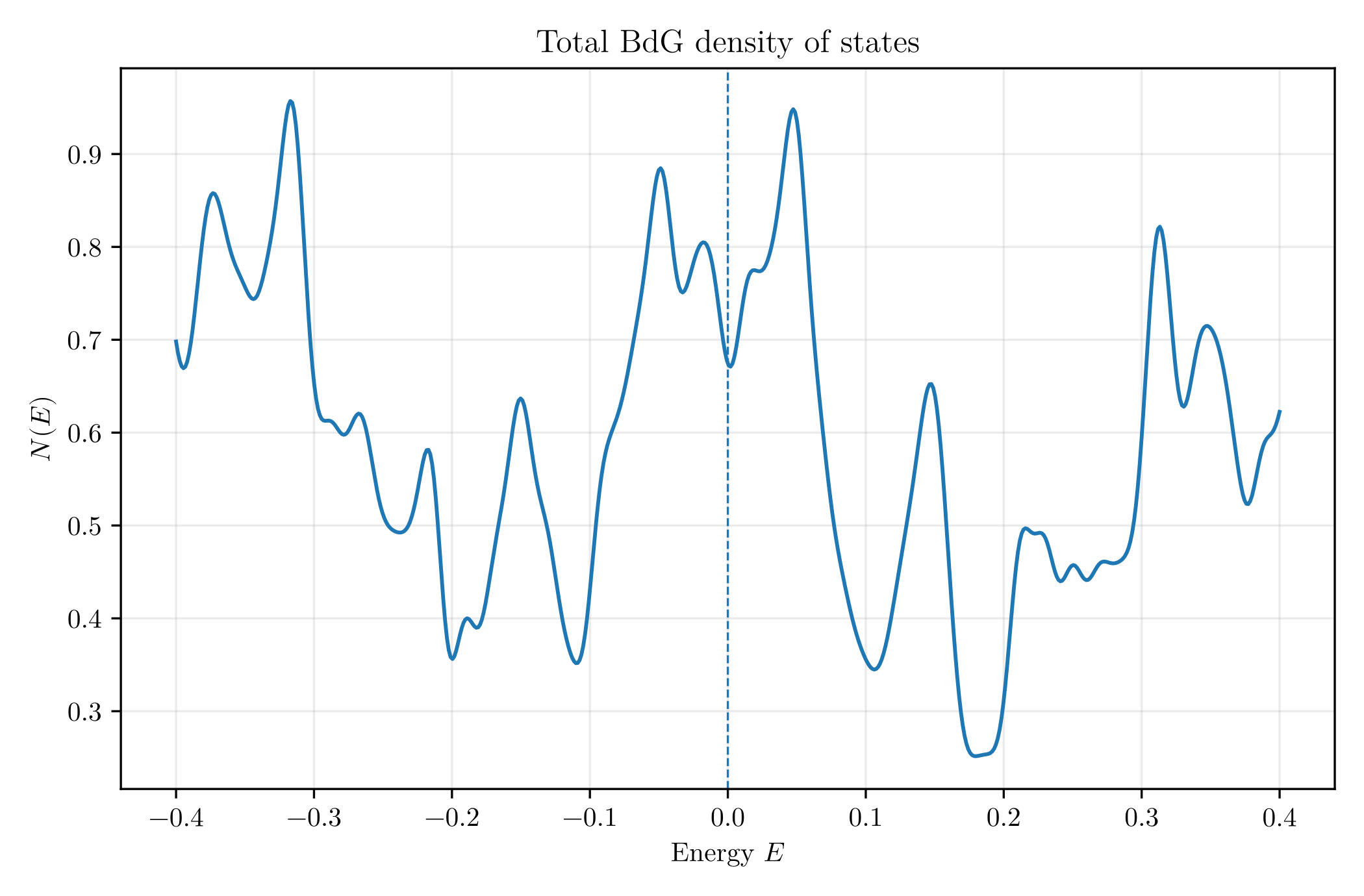
Figure D.8: Total BdG quasiparticle density of states for the representative nonunitary INT state.
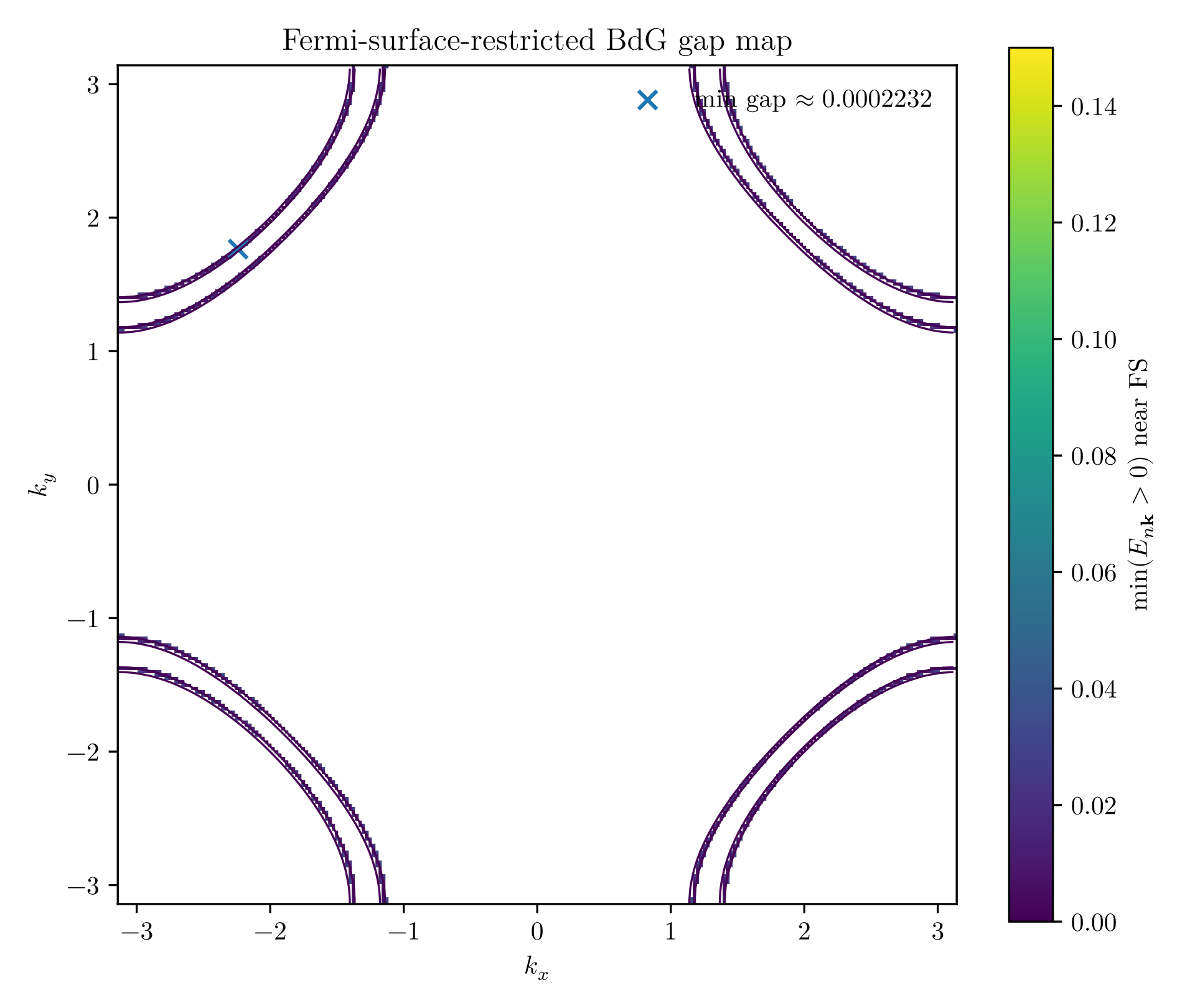
Figure D.9: Fermi-surface-restricted BdG gap map. Only momenta near the normal-state Fermi surface are shown.
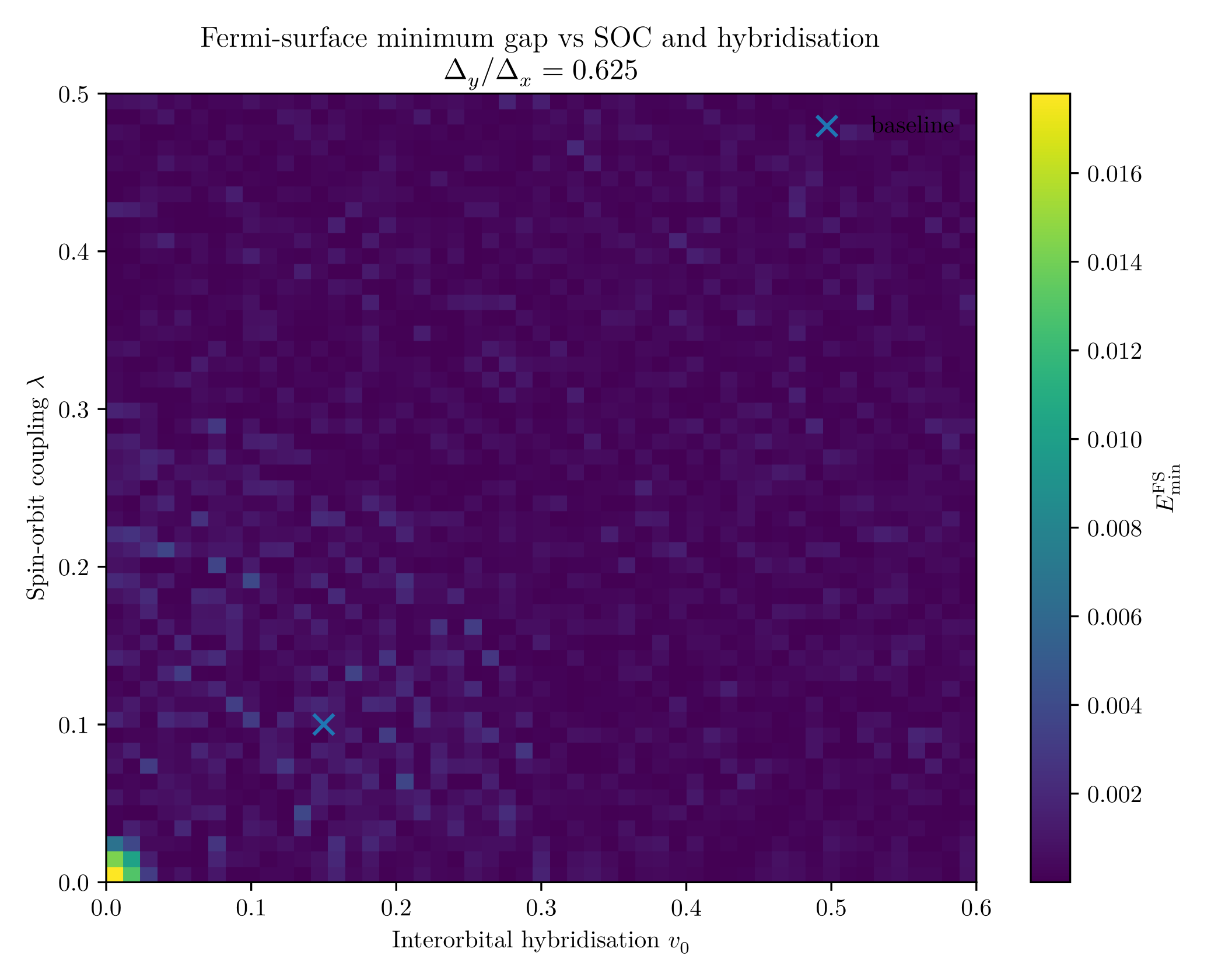
Figure D.10: Fermi-surface minimum BdG gap as a function of spin-orbit coupling and interorbital hybridisation , with fixed nonunitary ratio .
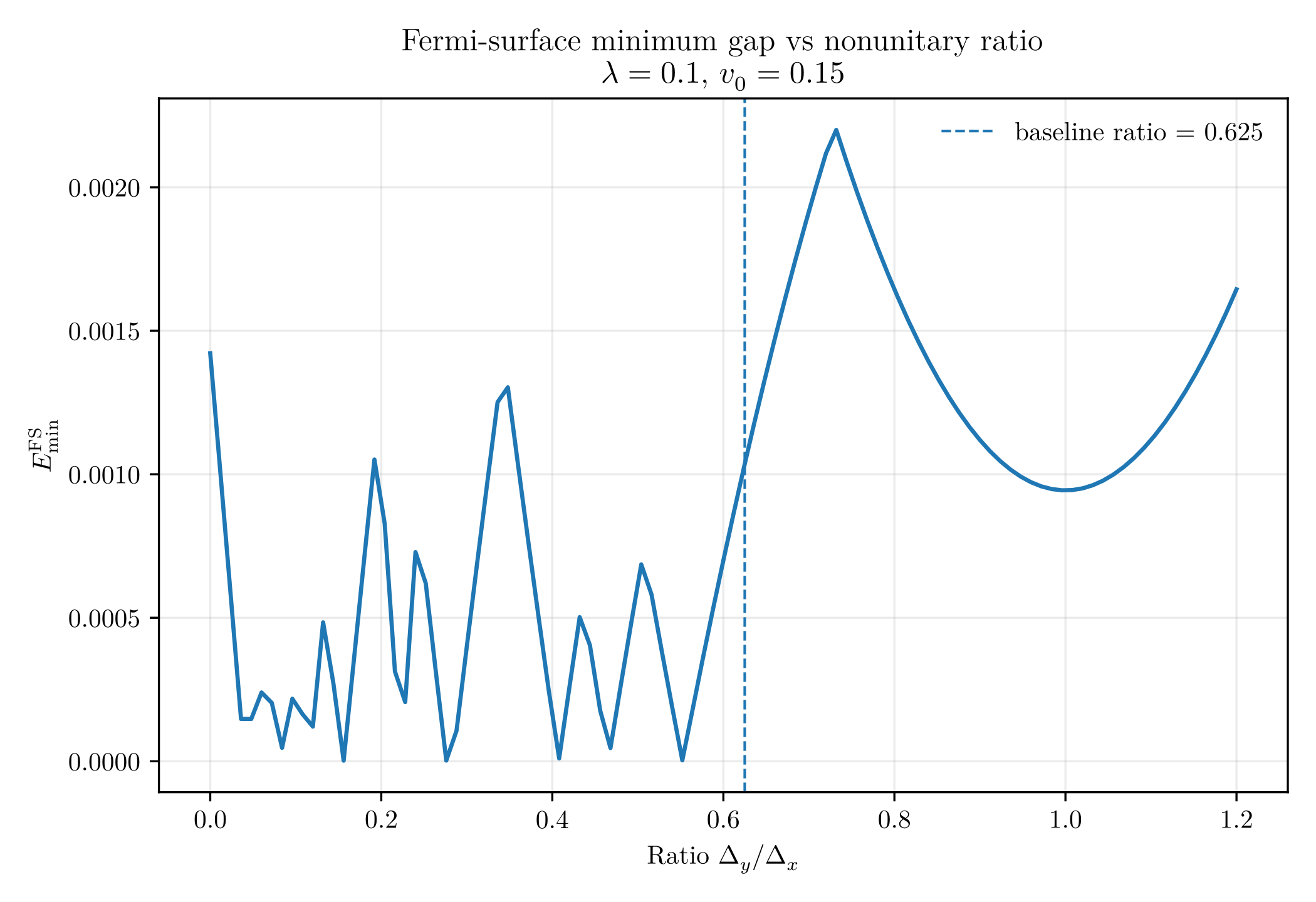
Figure D.11: Fermi-surface minimum BdG gap as a function of the nonunitary ratio at fixed and .
Thermodynamic and Magnetic Diagnostics
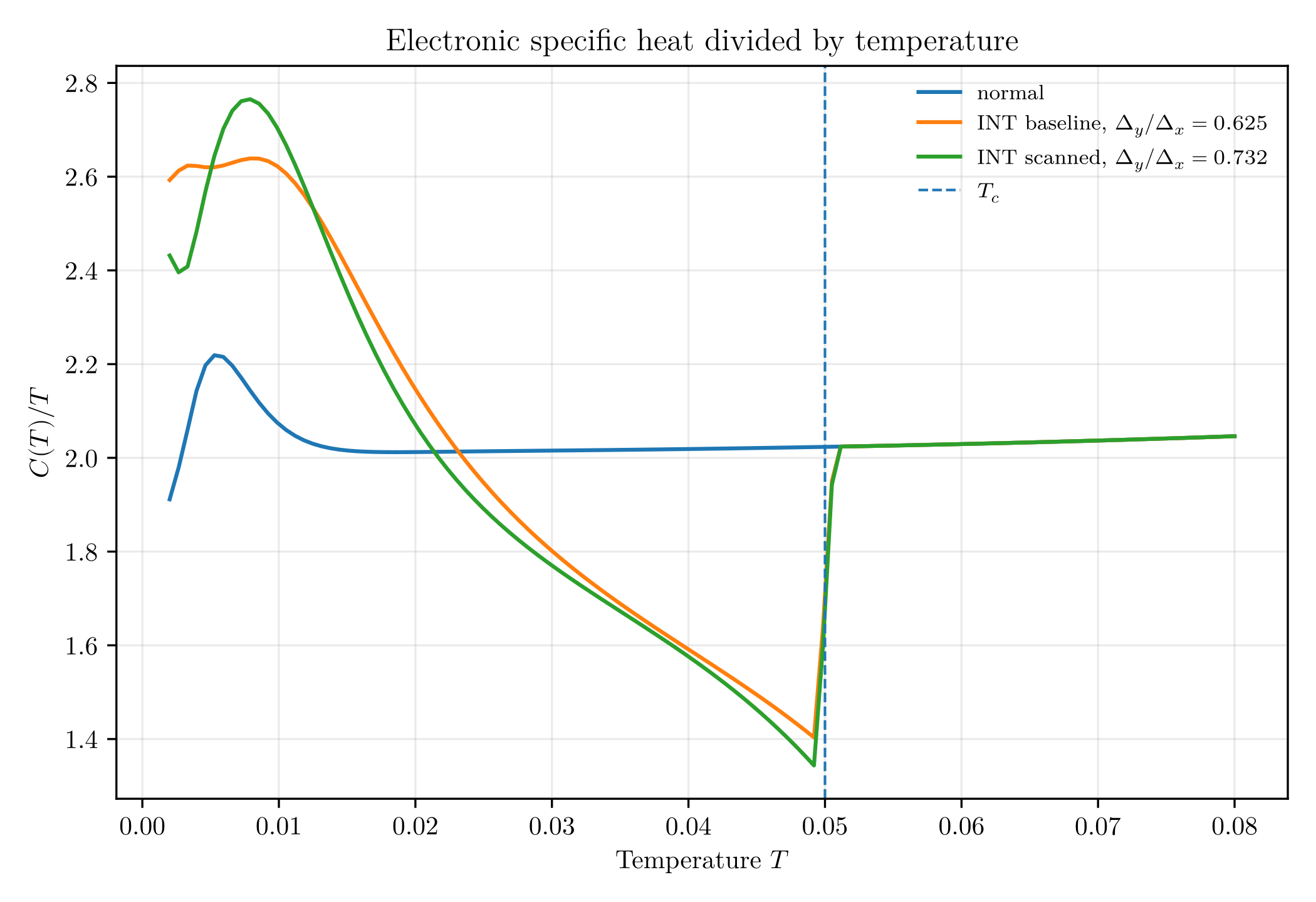
Figure D.12: Electronic specific heat divided by temperature for the normal state and two nonunitary INT states.
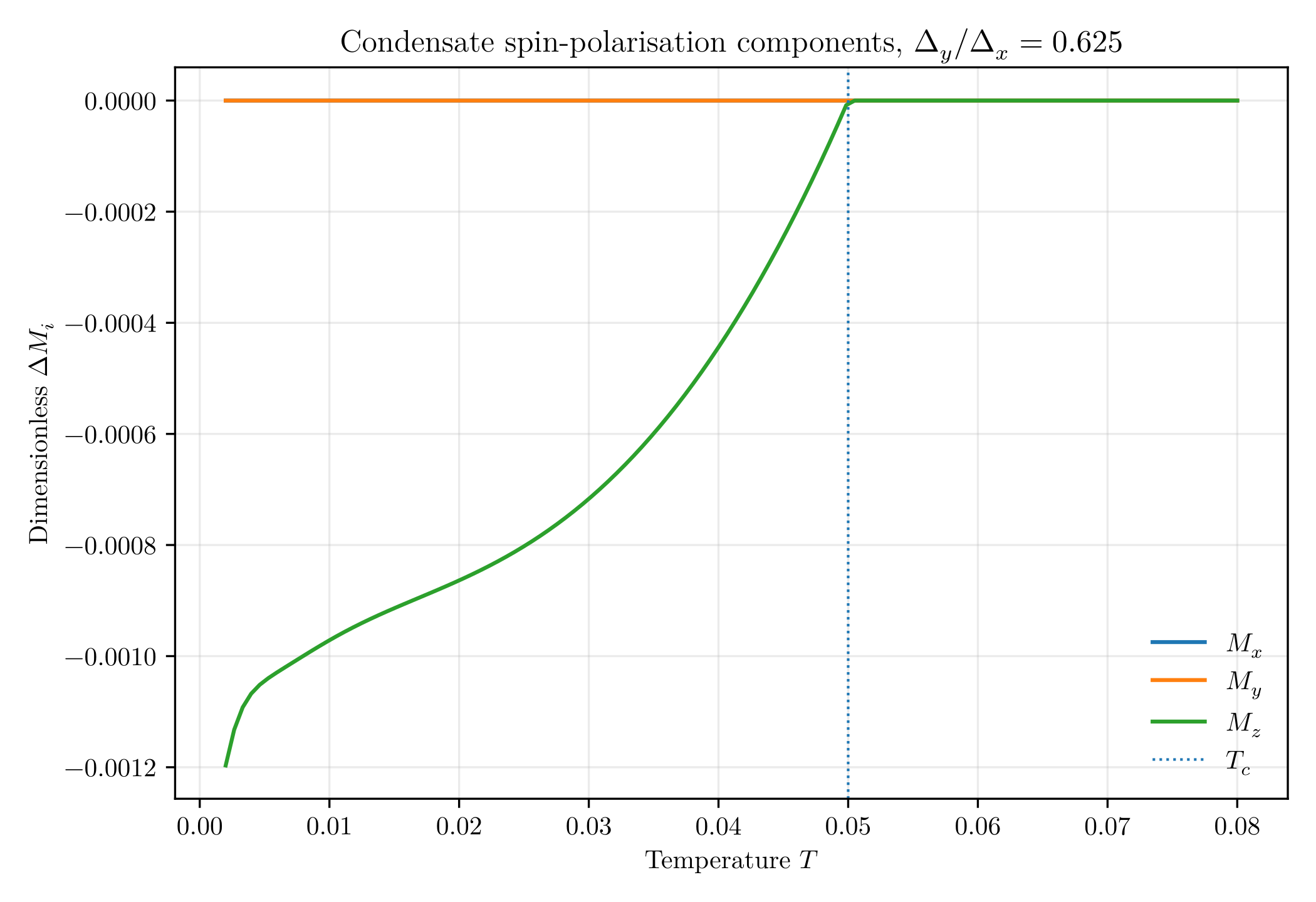
Figure D.13: Condensate spin-polarisation components for the baseline nonunitary INT state.
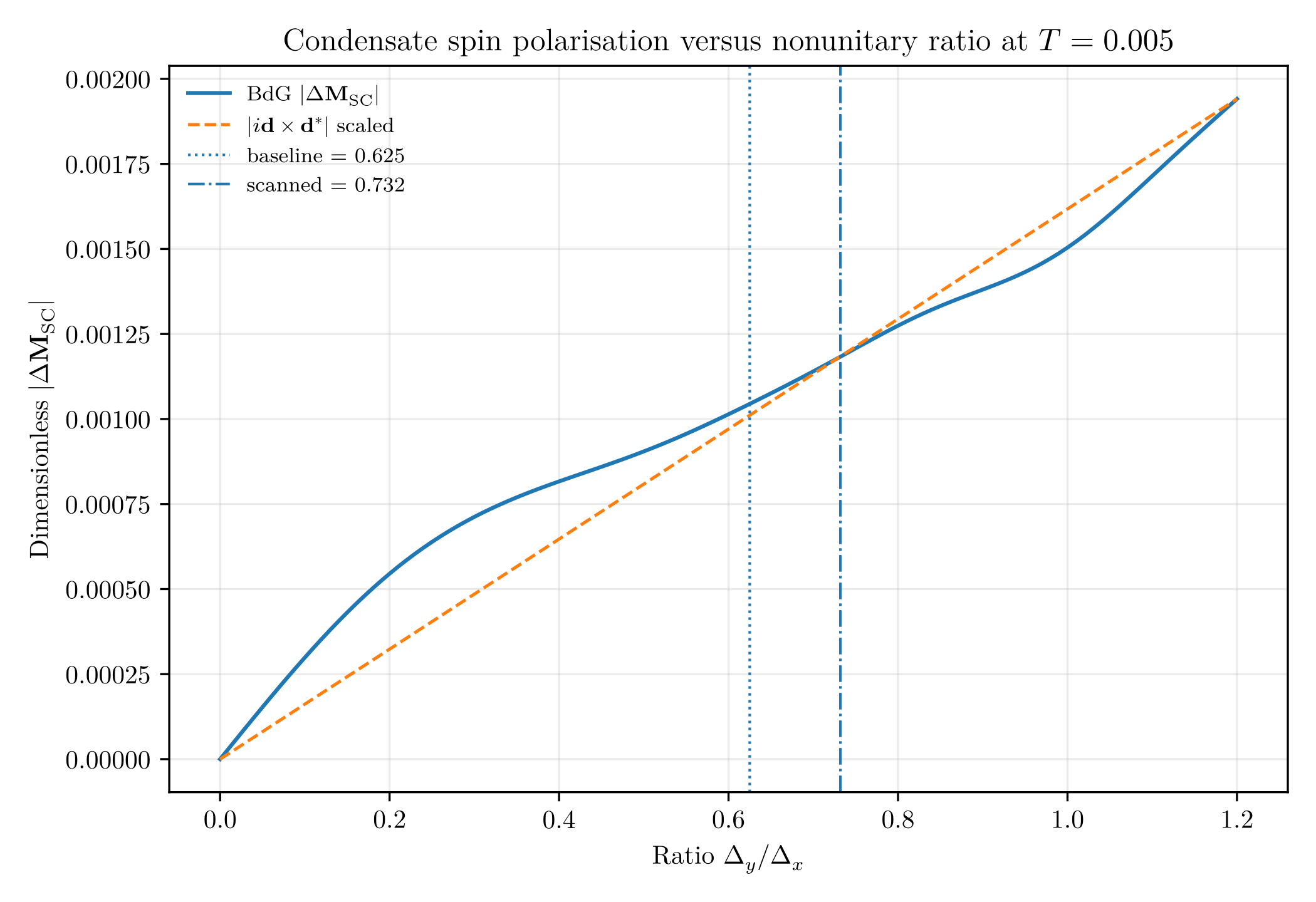
Figure D.14: Condensate spin polarisation as a function of the nonunitary ratio at fixed low temperature.
Mechanism-Development Audit
The main INT chapter keeps only the final mechanism table because the detailed search record is not part of the defended obstruction. The retained mechanism-development record is:
- A designed positive-control (k)-resolved kernel leaves the normal seed at zero and projects finite INT seeds into the (d_x\pm i d_y) sector. It proves that the HFG loop can carry degenerate nonunitary domains when a selector is supplied, but the selector is explicit and therefore not microscopic evidence.
- TR-symmetric static INT(_x)/INT(_y) pair tensors have the right antisymmetric algebra and degenerate nonunitary domains, but they do not pass the spontaneous seed-competition gate. Explicitly chiral tensors work only by splitting the two time-reversed domains.
- Source-free pair-spin feedback callbacks can keep finite INT amplitude, but the converged branch is unitary in the tested local rows. Strong support or exchange rows can produce finite nonunitary transients, but longer checks relax them toward the unitary or collapsed solution.
- Normal spin-field and momentum-structured normal-feedback controls preserve the sign and time-reversal-parity bookkeeping but do not produce a converged nonunitary winner in the tested grids.
- Finite-(Q), RPA-screened, nonlocal, and composite (Q,-Q) exchange proxy kernels can produce finite three-iteration nonunitary transients with time-reversed partners. The corresponding convergence scans drive (|\Delta|) and (|q_z|) toward the collapsed or mixed branch.
- Material-projected LaNiC(_2) response-envelope and pair-tensor proxies carry finite nonunitary-channel weight in some quick rows, but the winning seed is mixed singlet/INT or nonunitary weight collapses under convergence controls.
The next mathematically defined route is a screened fluctuation-exchange interaction,
The vertex must be antisymmetrised in incoming and outgoing pair labels before projection into the INT sector. This is a plausible route to connect a normal-state spin/orbital fluctuation to both amplitude support and pair-spin selection, but it remains future work until it passes the converged, source-free, seed-competition gate in a validated material basis.